
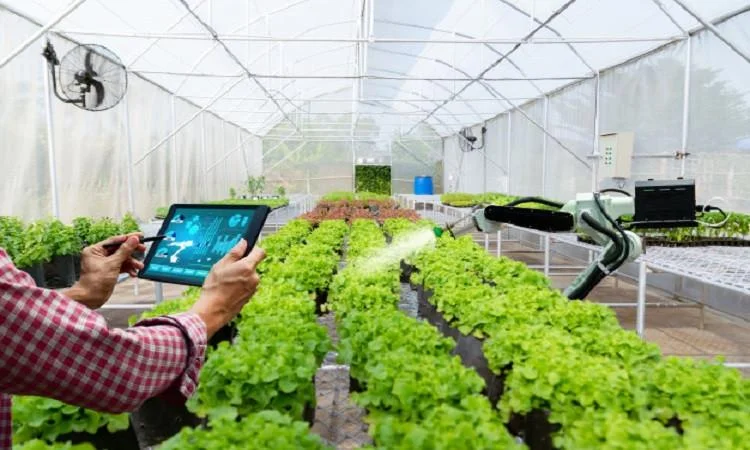
In the 21st century, agriculture is undergoing a significant transformation. With the global population projected to reach nearly 10 billion by 2050, traditional farming methods must evolve to ensure food security, reduce environmental impact, and improve efficiency. Enter smart agriculture, a cutting-edge approach leveraging technology to address the challenges of modern farming.
This article delves into what smart agriculture entails, its key components, benefits, challenges, and its future potential.
What is Smart Agriculture?
Smart agriculture, also known as precision agriculture, integrates advanced technologies such as the Internet of Things (IoT), artificial intelligence (AI), big data, and robotics to optimize farming practices. Unlike conventional methods, smart agriculture relies on real-time data and automated systems to make farming more efficient, sustainable, and productive.
The core idea is to enable farmers to make data-driven decisions that improve crop yield, minimize resource waste, and mitigate risks from pests, diseases, and climate variability.
Key Components of Smart Agriculture
- IoT and Sensors
IoT devices, coupled with sensors, monitor various parameters like soil moisture, temperature, humidity, and nutrient levels. These sensors provide real-time data that helps farmers assess field conditions accurately. - Drones and Satellites
Aerial imagery from drones and satellite data allows for the mapping of fields, detecting crop stress, and monitoring plant health. These technologies help identify problem areas early, enabling timely intervention. - AI and Machine Learning
AI algorithms analyze vast amounts of data collected from sensors, satellites, and other sources. Machine learning models predict weather patterns, pest outbreaks, and optimal planting schedules, providing actionable insights to farmers. - Automated Machinery
Tractors, harvesters, and irrigation systems equipped with GPS and automation features streamline labor-intensive tasks. Autonomous machinery reduces labor costs and increases operational efficiency. - Blockchain Technology
Blockchain enhances traceability in the food supply chain, ensuring transparency from farm to fork. It helps farmers certify organic produce, track logistics, and prevent food fraud.
Benefits of Smart Agriculture
- Increased Productivity
By optimizing planting, fertilization, and irrigation, farmers can achieve higher yields per acre. - Resource Efficiency
Smart irrigation systems and precision fertilization minimize the use of water, energy, and chemicals, reducing costs and environmental impact. - Sustainability
Smart agriculture promotes eco-friendly practices, such as reducing greenhouse gas emissions and improving soil health through targeted interventions. - Risk Mitigation
Real-time data helps farmers anticipate and respond to adverse conditions like droughts, floods, or pest infestations, minimizing crop losses. - Cost Savings
Automation and precision tools reduce waste, labor requirements, and input costs, leading to significant savings.
Challenges in Implementing Smart Agriculture
- High Initial Costs
The deployment of IoT devices, drones, and automated machinery can be prohibitively expensive for small-scale farmers. - Technological Barriers
Limited access to high-speed internet and digital infrastructure in rural areas hampers the adoption of smart farming technologies. - Data Privacy and Security
With large amounts of data being collected, there is a risk of breaches or misuse. Farmers need assurances of data protection. - Skill Gaps
Farmers need training to understand and utilize complex systems effectively. Bridging this knowledge gap is essential for widespread adoption. - Regulatory and Ethical Concerns
Policies regarding the use of drones, data ownership, and AI need to be clear and farmer-friendly to ensure ethical practices.
The Future of Smart Agriculture
The potential of smart agriculture is immense. As technologies become more affordable and accessible, even small-scale farmers in developing countries can benefit from precision farming. Innovations such as vertical farming, AI-powered pest control, and climate-resilient crop varieties will further enhance food security.
Governments, private sectors, and research institutions must collaborate to address challenges and scale up smart farming solutions. Public policies should incentivize adoption through subsidies, training programs, and investments in rural connectivity.
Conclusion
Smart agriculture is not just a trend; it is a necessity for the future of farming. By combining traditional agricultural knowledge with modern technology, smart farming creates a more resilient, efficient, and sustainable agricultural system. As the world grapples with environmental challenges and growing food demand, smart agriculture offers a beacon of hope, ensuring that farmers can feed the planet responsibly and profitably.









0 Comments
Login to add a review