
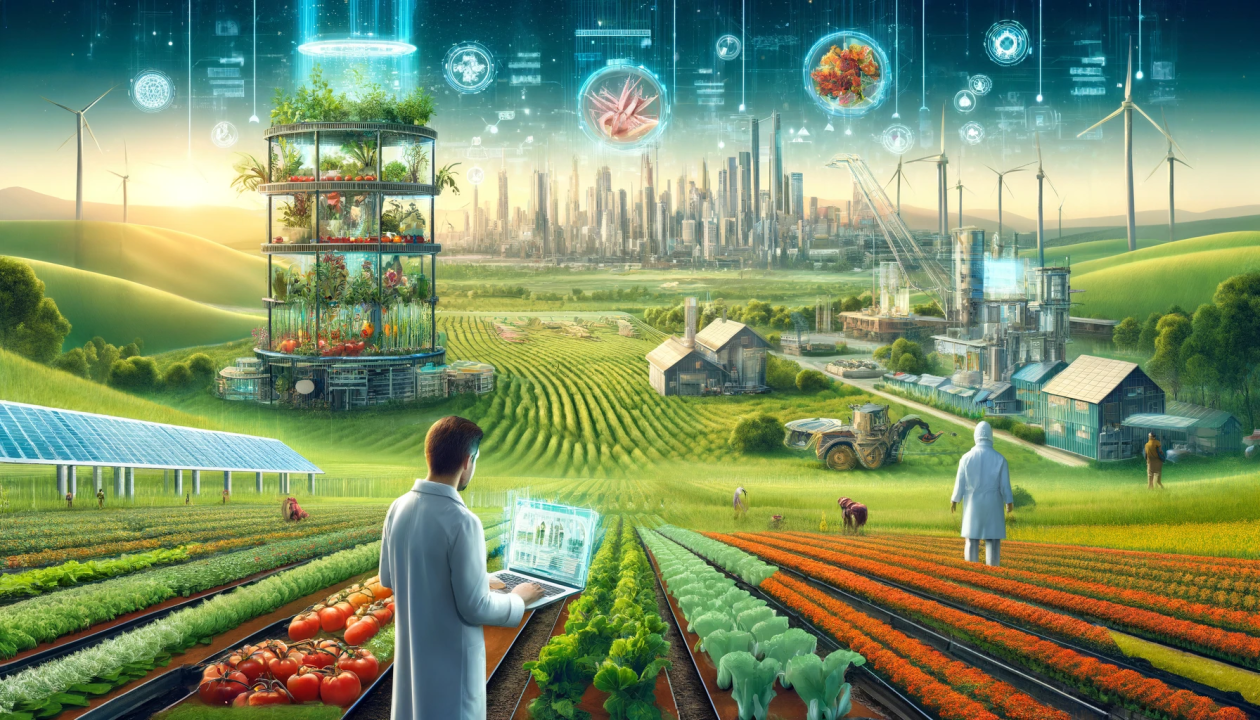
In a world where the global population is projected to surpass 9 billion by 2050, ensuring food security while preserving the environment is paramount. Sustainable agriculture practices present a viable solution to meet this challenge, harmonizing productivity with ecological balance. These practices integrate environmental health, economic profitability, and social equity, paving the way for a resilient food system that benefits current and future generations.
What is Sustainable Agriculture?
Sustainable agriculture refers to farming methods that are environmentally sound, economically viable, and socially responsible. These practices aim to meet society’s current food and textile needs without compromising the ability of future generations to meet their own.
By adopting sustainable approaches, farmers work to minimize environmental impact, improve soil health, conserve water, and reduce greenhouse gas emissions, while maintaining profitability and community well-being.
Core Principles of Sustainable Agriculture
- Conservation of Natural Resources: Protecting soil, water, and biodiversity is foundational to sustainable agriculture. Practices such as crop rotation, cover cropping, and agroforestry help maintain the natural ecosystem.
- Enhanced Resource Efficiency: Efficient use of inputs like water, fertilizers, and energy reduces waste and ensures that resources are used judiciously.
- Economic Viability: Sustainable agriculture supports farmers by enhancing their resilience to economic and environmental shocks.
- Social Responsibility: Ensuring equitable access to resources, fair labor practices, and community engagement are integral to a sustainable agricultural system.
Key Sustainable Agriculture Practices
- Crop Diversification and Rotation
- Rotating crops reduces pest infestations and soil nutrient depletion.
- Diverse planting improves resilience to climate variability and enhances biodiversity.
- Agroforestry
- Integrating trees and shrubs into crop or livestock systems improves soil quality, sequesters carbon, and provides additional income sources.
- Integrated Pest Management (IPM)
- IPM combines biological, cultural, and chemical tools to manage pests in an environmentally and economically sustainable way.
- Soil Management
- Techniques like no-till farming, composting, and cover cropping maintain soil fertility and structure.
- These practices help sequester carbon and prevent erosion.
- Water Conservation
- Drip irrigation, rainwater harvesting, and constructing farm ponds reduce water waste and enhance efficiency.
- These methods are particularly critical in regions prone to drought.
- Organic Farming
- Avoiding synthetic chemicals and emphasizing natural inputs promotes environmental health and reduces chemical residues in food.
- Precision Agriculture
- Using technology to analyze soil, monitor crops, and optimize inputs reduces waste and increases yield.
- Community-Supported Agriculture (CSA)
- Farmers collaborate with consumers through CSA programs to foster direct relationships and mutual benefits.
Benefits of Sustainable Agriculture
- Environmental Protection Sustainable farming reduces pollution, conserves water, and maintains biodiversity. By minimizing synthetic inputs, it mitigates risks to ecosystems.
- Economic Resilience Diversified income streams and efficient resource use enhance financial stability for farmers, even in volatile markets.
- Enhanced Food Security By maintaining soil health and optimizing resource use, sustainable agriculture ensures consistent food production.
- Social Well-Being Fair labor practices, equitable resource distribution, and community engagement contribute to a stronger social fabric.
Challenges in Adoption
Despite its benefits, transitioning to sustainable agriculture can be challenging. Initial costs, lack of technical knowledge, and limited access to resources can deter farmers. Policies, incentives, and education are critical to overcoming these barriers.
Policy and Global Initiatives
Governments and international organizations are key players in promoting sustainable agriculture. Policies that provide subsidies, research funding, and technical support encourage adoption. Global initiatives like the United Nations' Sustainable Development Goals (SDGs) prioritize sustainable agriculture as a pathway to zero hunger, climate action, and biodiversity conservation.
Future Outlook
Sustainable agriculture is more than a farming philosophy; it is a necessity for survival in a changing world. As climate change intensifies and natural resources dwindle, adopting sustainable practices will be crucial to building resilient food systems.
Collaboration between farmers, scientists, policymakers, and consumers is essential. By investing in education, technology, and infrastructure, society can create an agricultural paradigm that sustains both people and the planet.
Conclusion
Sustainable agriculture practices embody a holistic approach to farming that benefits the environment, economy, and society. As we strive to meet global food demands, these practices offer a balanced path forward, ensuring that agriculture remains a cornerstone of human prosperity for generations to come.
By embracing sustainable agriculture, humanity takes a decisive step toward a future where food security and environmental stewardship go hand in hand. It is not just a choice; it is a responsibility.











0 Comments
Login to add a review