
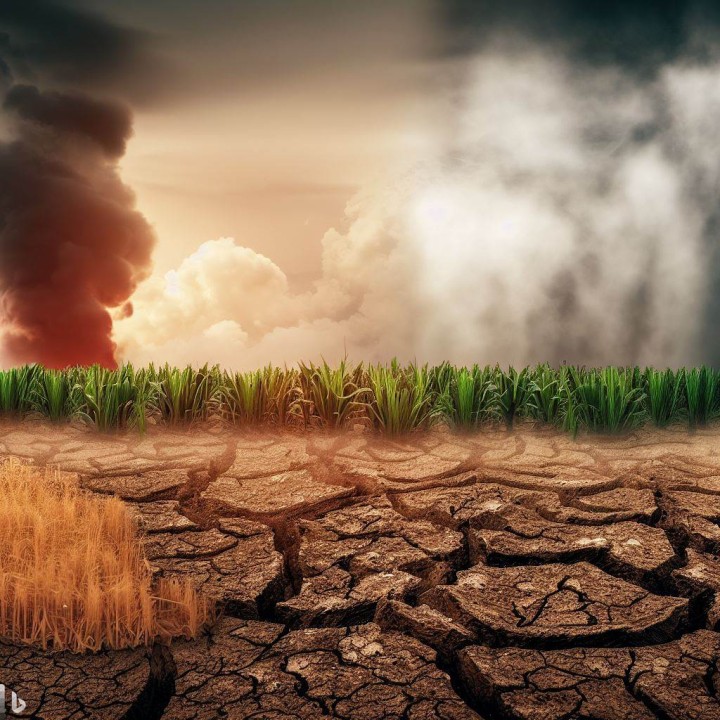
Agriculture, the backbone of global food security, is intrinsically linked to the climate. As the effects of climate change become increasingly evident, the agriculture sector faces unprecedented challenges. Rising temperatures, shifting precipitation patterns, and extreme weather events disrupt farming systems worldwide, threatening livelihoods and food production. Understanding the impact of climate change on agriculture is critical to devising strategies that ensure food security in a rapidly changing world.
How Climate Change Affects Agriculture
- Temperature Rise
- Increased temperatures alter growing seasons and reduce crop yields. Many staple crops, such as wheat, rice, and maize, experience heat stress, leading to decreased productivity.
- Heat also affects livestock health, reducing reproduction rates and milk production.
- Erratic Rainfall Patterns
- Shifting precipitation cycles disrupt traditional planting and harvesting schedules.
- Intense rainfall leads to flooding, while prolonged droughts harm crop growth and water availability.
- Increased Frequency of Extreme Weather Events
- Hurricanes, heatwaves, and wildfires destroy crops, infrastructure, and storage facilities.
- Recovery from such events often demands significant financial and labor resources.
- Soil Degradation
- Higher temperatures accelerate soil erosion and nutrient loss.
- Salinization of arid lands due to reduced rainfall further diminishes arable land.
- Pest and Disease Proliferation
- Changing climates allow pests and diseases to spread into new regions, affecting crops and livestock unprepared for these threats.
- Water Scarcity
- Melting glaciers and reduced snowpack threaten irrigation in many agricultural regions dependent on seasonal water supplies.
- Carbon Dioxide (CO₂) Effects
- While elevated CO₂ can enhance photosynthesis in some crops, this benefit is often offset by reduced nutritional quality and increased weed growth.
Global Regional Impacts
- Tropical and Subtropical Regions
- Developing countries in these regions are particularly vulnerable due to limited resources and high dependence on agriculture.
- Crops like rice and maize, staple foods for millions, face significant yield declines.
- Temperate Regions
- Some temperate areas may initially benefit from longer growing seasons. However, the advantages are offset by increased risks of droughts and heatwaves.
- Polar Regions
- Warmer temperatures open new areas for cultivation, but these benefits are limited and may not compensate for losses elsewhere.
Economic and Social Implications
- Food Security
- Reduced agricultural productivity exacerbates global hunger and malnutrition.
- Price volatility from supply chain disruptions disproportionately affects low-income populations.
- Rural Livelihoods
- Millions of smallholder farmers, particularly in developing countries, face reduced incomes and growing vulnerability to poverty.
- Migration
- Climate-induced agricultural failures lead to displacement as communities move in search of better conditions.
Adapting Agriculture to Climate Change
- Climate-Resilient Crops
- Breeding drought-resistant, heat-tolerant, and disease-resistant crop varieties is essential to sustaining yields.
- Improved Water Management
- Techniques like drip irrigation, rainwater harvesting, and efficient groundwater use reduce water waste.
- Precision agriculture technologies help optimize water application.
- Soil Conservation
- Practices such as cover cropping, no-till farming, and agroforestry combat soil erosion and maintain fertility.
- Diversification
- Encouraging crop and livestock diversity builds resilience against climate shocks and market fluctuations.
- Agroecological Practices
- Incorporating traditional knowledge and modern techniques creates sustainable farming systems.
- Adopting Technology
- Weather forecasting tools and digital platforms enable farmers to make informed decisions.
- Innovations like vertical farming and hydroponics mitigate land and water constraints.
- Policy Support
- Governments must provide subsidies, insurance schemes, and technical training to support farmers adapting to climate change.
Mitigation Strategies in Agriculture
- Reducing Greenhouse Gas Emissions
- Transitioning to low-emission farming practices, such as using organic fertilizers and reducing methane emissions from livestock, is critical.
- Carbon Sequestration
- Practices like agroforestry and conservation tillage capture carbon in soil and vegetation.
- Energy Efficiency
- Utilizing renewable energy sources on farms reduces reliance on fossil fuels.
The Role of Global Collaboration
Addressing the impact of climate change on agriculture requires a concerted global effort. International organizations, governments, and communities must collaborate to:
- Share research and innovations.
- Provide financial support to vulnerable regions.
- Promote education and capacity-building among farmers.
Initiatives such as the Paris Agreement and the Sustainable Development Goals (SDGs) underscore the need for sustainable agricultural systems that combat climate change.
The Way Forward
As climate change accelerates, its effects on agriculture will intensify, making adaptation and mitigation urgent priorities. Investments in research, technology, and infrastructure are critical to developing resilient food systems. Farmers must be empowered with knowledge, resources, and tools to navigate these challenges effectively.
The interplay between agriculture and climate change reminds us that sustainable farming practices are not optional—they are essential. By acting collectively and decisively, we can safeguard global food security, protect livelihoods, and preserve the planet for future generations.
Conclusion
The impact of climate change on agriculture is profound, touching every corner of the globe. It challenges the foundation of food security and threatens the livelihoods of millions. However, with adaptive strategies, innovative technologies, and global cooperation, the agricultural sector can rise to the challenge.
In the face of a warming world, sustainable agricultural practices will be the cornerstone of resilience, ensuring that humanity thrives in harmony with the environment. The time to act is now.











0 Comments
Login to add a review